Project
Senior Driving Safety & Cognitive Health
In-car sensing, driving simulators, and community outreach to keep older adults independent and safe behind the wheel.
Problem
Safe driving is key to maintaining independence for older adults. Yet even mild cognitive changes—often unnoticed—increase driving risk. By the time the symptoms of cognitive decline become visible, risky driving behavior may already be underway.
Gap
Most existing tools either flag clearly impaired drivers or rely on costly clinical assessments. There is little support for the in-between stage: seniors whose driving is still largely intact but whose early cognitive changes deserve earlier, softer, data-driven detection. Community education is also missing from most technical approaches.
Core idea
Combine three layers that none of the existing options offers together:
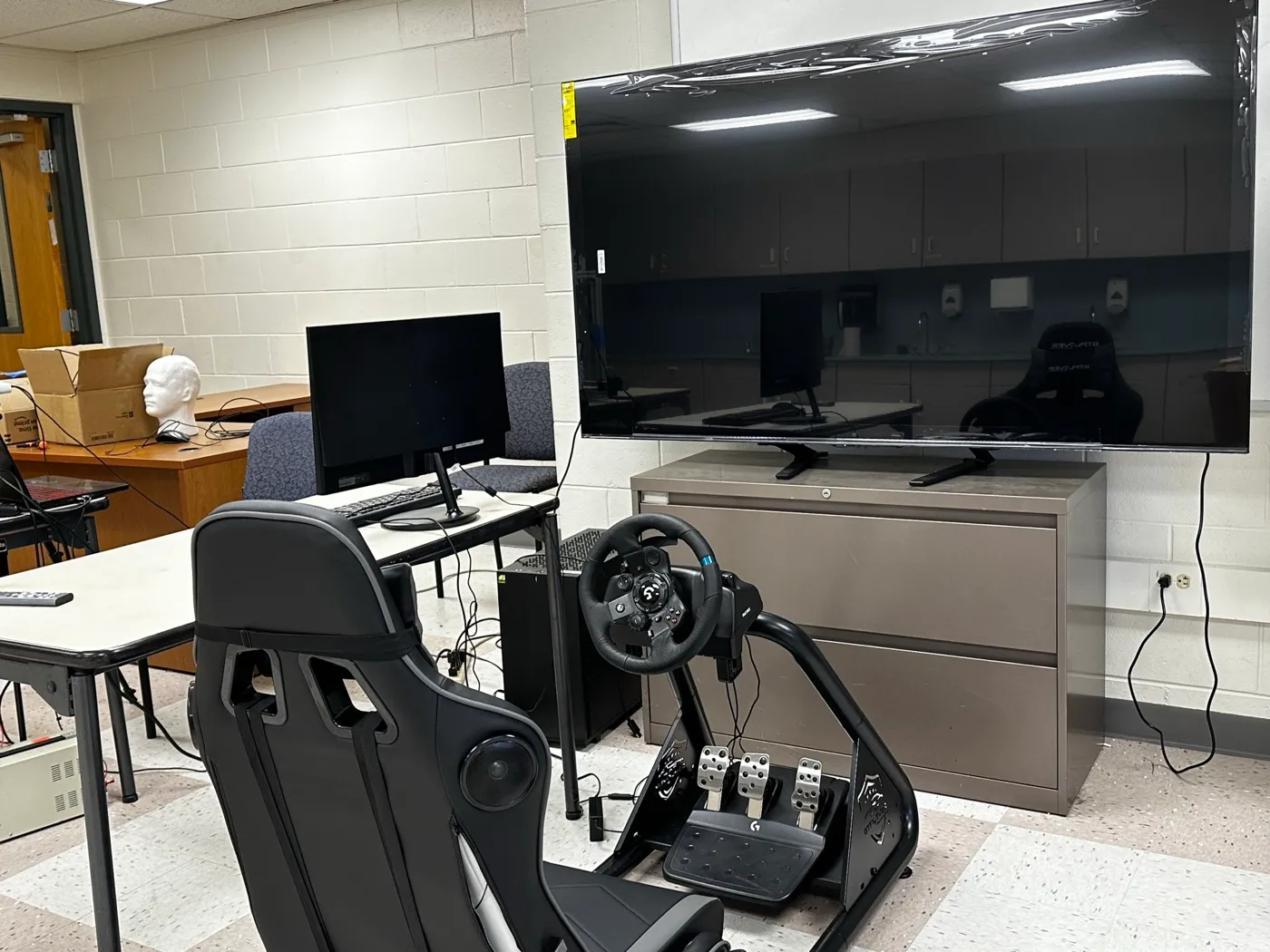
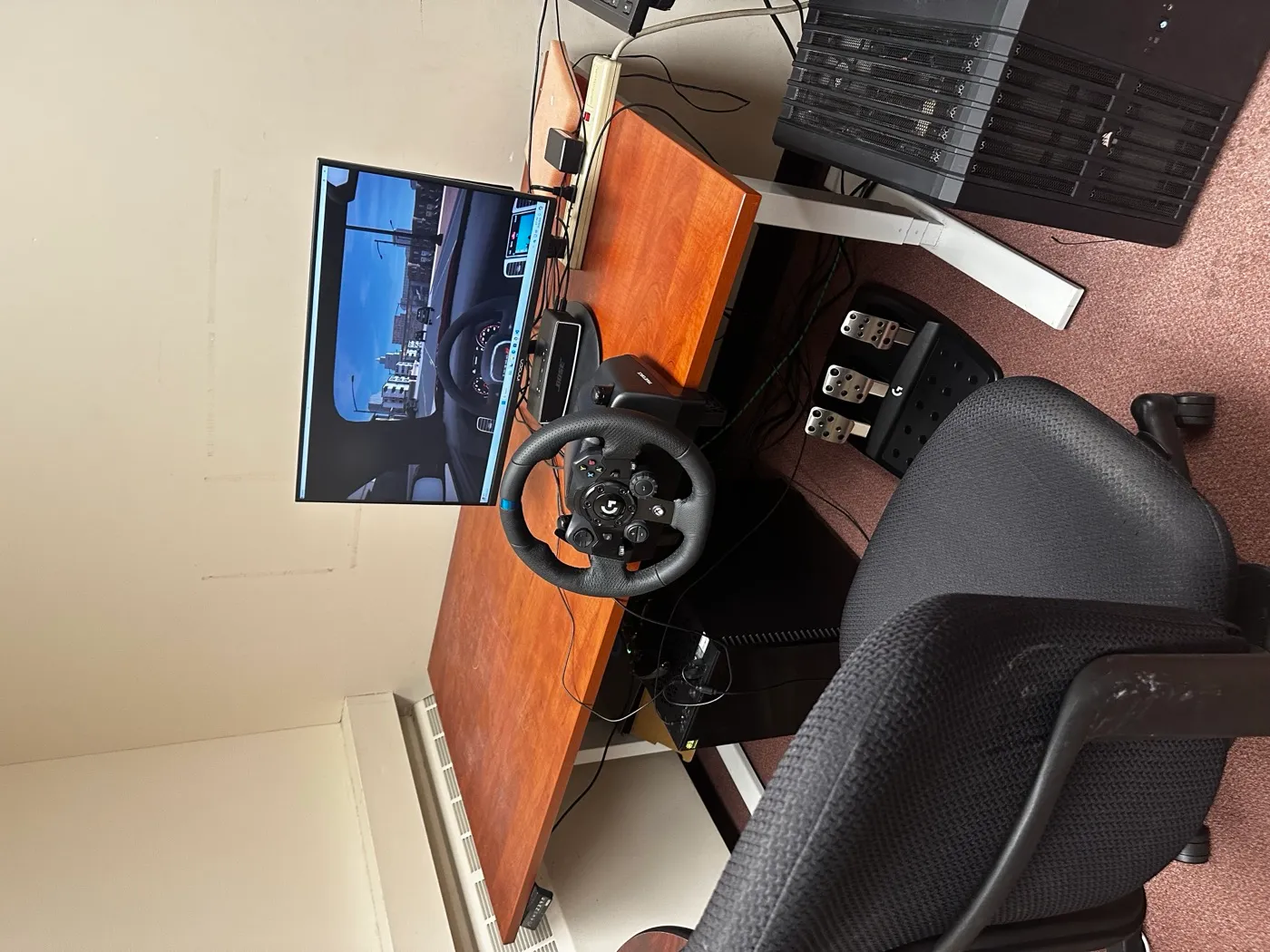
- Simulation-based capability assessment — validated driving-simulator protocols that isolate the cognitive challenges seniors actually face on the road.
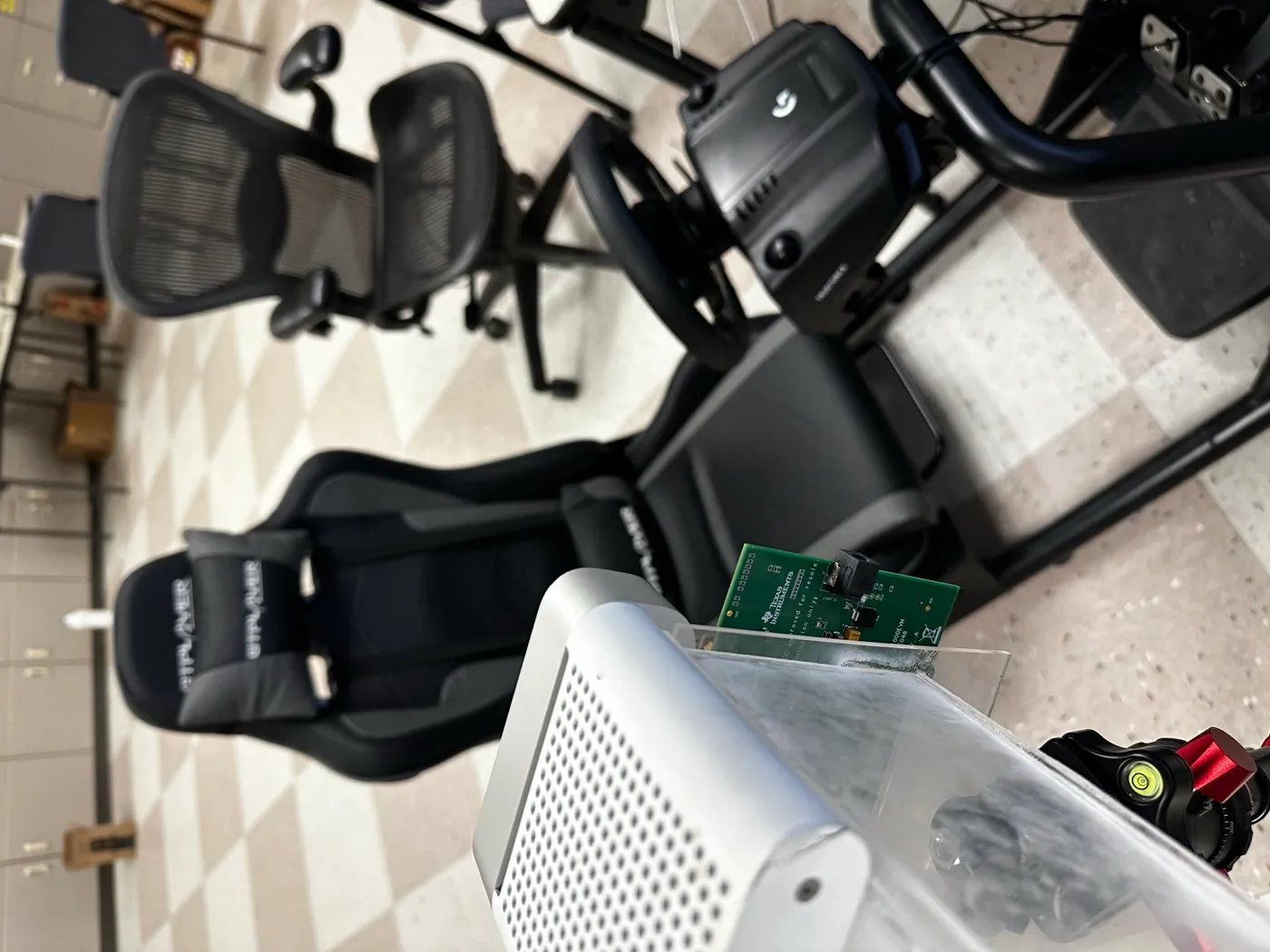
- Continuous in-car monitoring — an on-board sensing system that watches driving behavior over time and surfaces early signs of risky driving.
- Community education — accessible workshops and resources for seniors and their families, so insight turns into action.
System
The project is organized around four research threads:
- Assess driving capability: develop simulator protocols that measure driving performance in older adults, focusing on cognitive load and attention.
- Innovate monitoring: build and study an in-car sensor system that continuously tracks driving behavior and flags early signals of decline.
- Run realistic simulation tests: evaluate prototypes against real-world driving conditions before deployment.
- Educate the community: offer workshops that teach seniors and families how to read the early signals and plan ahead.
Results
Project timeline
- Months 1–3: establish the simulation lab and co-design testing protocols with stakeholders.
- Months 3–7: run simulation studies and analyze driving behavior across participant groups.
- Months 7–10: build and pilot-test the in-vehicle monitoring prototype in real driving conditions.
- Months 8–12: deliver community education workshops and refine the curriculum from feedback.
Our team
- Yimeng Liu — Ph.D. student, Computer Science and Engineering, Michigan State University
- Dr. Zhichao Cao — Assistant Professor, Computer Science and Engineering, Michigan State University
- Dr. Fei Sun — Professor, School of Social Work, Michigan State University
- Dr. Honglei Chen — Foundation Professor, Epidemiology and Biostatistics, Michigan State University
We are actively recruiting seniors for our study. See our recruitment flyer for details.
Gallery